
Comparing the Esmeralda 7 Solar Project to the Diablo Canyon Nuclear Facility


Sammy Roth’s claim that the Esmeralda 7 Solar Project would “produce” 6.2 gigawatts (GW) compared to Diablo Canyon’s 2.2 GW might suggest solar’s superiority. However, this overlooks the difference between capacity (maximum potential output) and generation (actual electricity produced). On a typical fall day, Esmeralda would average 1.34 GW, while Diablo Canyon delivers a steady 2.2 GW across 24 hours. This analysis compares the two facilities, highlighting nuclear’s reliability and efficiency over solar’s variability and land-intensive design.
Collectively, the “Esmeralda 7” would have been by far the nation’s biggest solar project, producing a bonkers 6.2 gigawatts of power (with 5.2 gigawatts of battery storage). California’s Diablo Canyon nuclear plant generates 2.2 gigawatts.
Key Comparison
Esmeralda’s 6.2 GW capacity, the largest proposed U.S. solar project, dwarfs Diablo Canyon’s 2.2 GW nuclear capacity. Yet, key differences emerge:
Esmeralda averages 1.34 GW (21.7% capacity factor, the ratio of actual to potential output) on November 7, generating power for 9 hours (13 with batteries), requiring backup for 11 hours.
Diablo Canyon operates continuously at 2.2 GW, providing 24/7 power except during 18- to 24-month refueling cycles.
Esmeralda spans 62,300 acres, while Diablo Canyon uses 750 acres, underscoring nuclear’s superior energy density.
Figure 1 illustrates these contrasts, showing Diablo Canyon’s consistent output against Esmeralda’s variability.
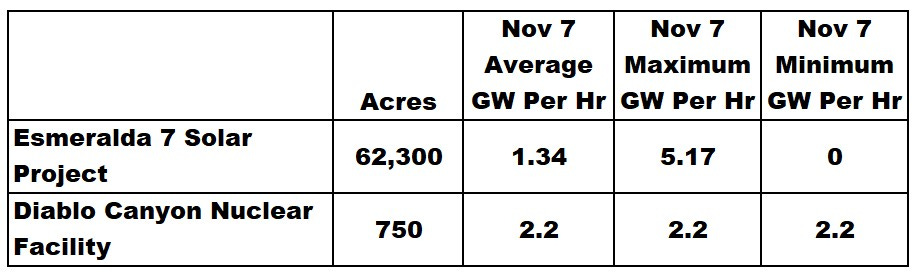
Figure 1 - Key Data Comparison
Solar Model Analysis
Using NREL’s PVWatts model, configured for Esmeralda County, Nevada, with premium modules and 2-axis tracking (panels that follow the sun’s path), Esmeralda’s 6.2 GW capacity was modeled for November 7, a representative fall day with reduced solar output. Generation occurs from 7 AM to 3 PM, peaking at 5.17 GW and averaging 1.34 GW (Figure 2). Note: I used November 7 because that was the day that I read the article and began comparisons. Otherwise, nothing special about this day.
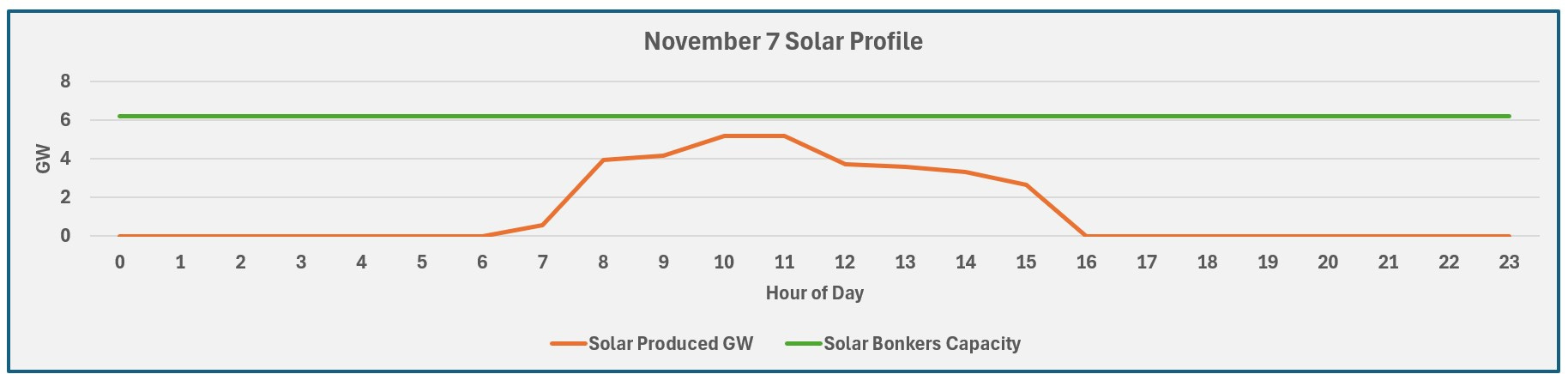
Figure 2 - Esmeralda 7 Planned Capacity and Nov. 7 Modeled Generation
A 5.2 GWh Battery Energy Storage System (BESS) charges from 8 AM and discharges from 3 PM to 7 PM, extending output by 4 hours (Figure 3). This reduces but does not eliminate the 11-hour backup need (Figure 4).
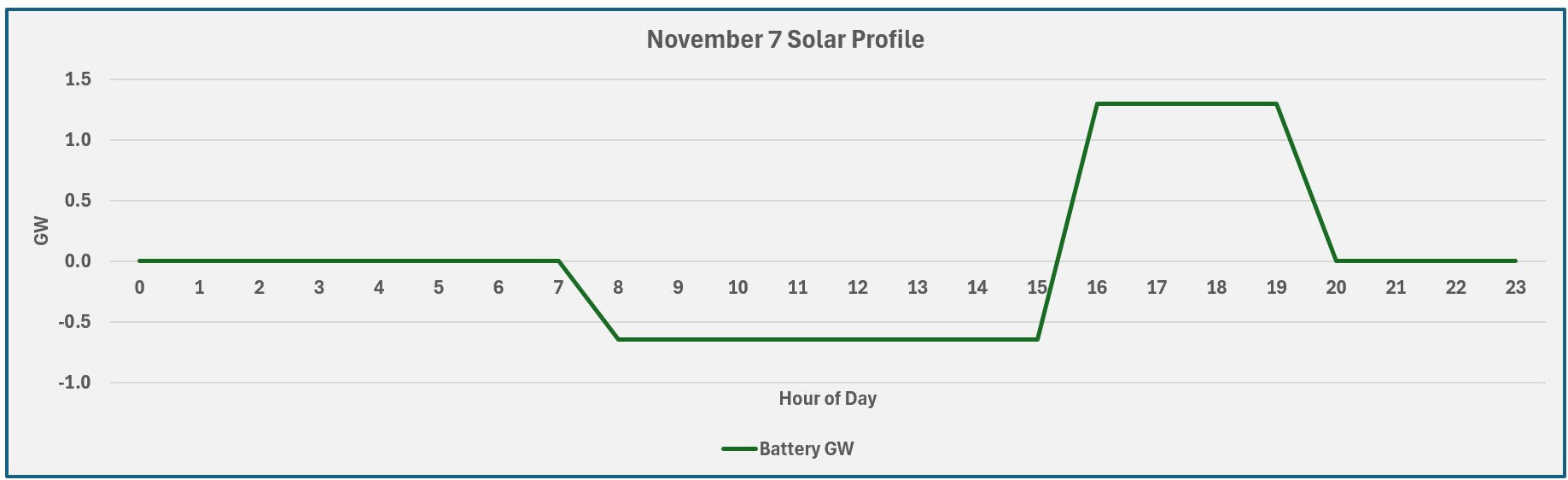
Figure 3 - BESS (Battery Energy Storage System) Charging and Withdrawal Cycle
Figure 4 shows the line for total facility output (Solar plus Battery) and the original solar line. Note that from 8 AM to 3 PM, the amount decreases to charge the batteries, but then at 4PM, the net solar plus battery line stays positive thru 7PM for the four hour batteries. The green line is what would be delivered to the grid.
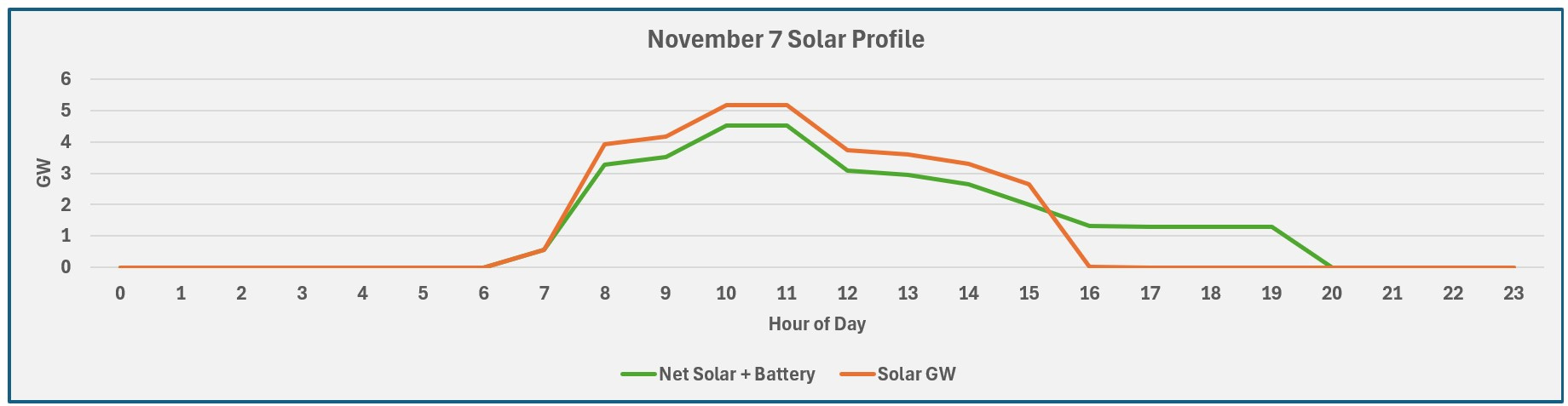
Figure 4 - Net Solar Plus Battery versus Solar Alone
Net output remains positive until 7 PM with battery support, compared to solar-only generation.
Esmeralda surpasses Diablo Canyon’s 2.2 GW from 8 AM to 2 PM but drops to zero after 7 PM, even with batteries, while Diablo Canyon maintains constant output (Figure 5).
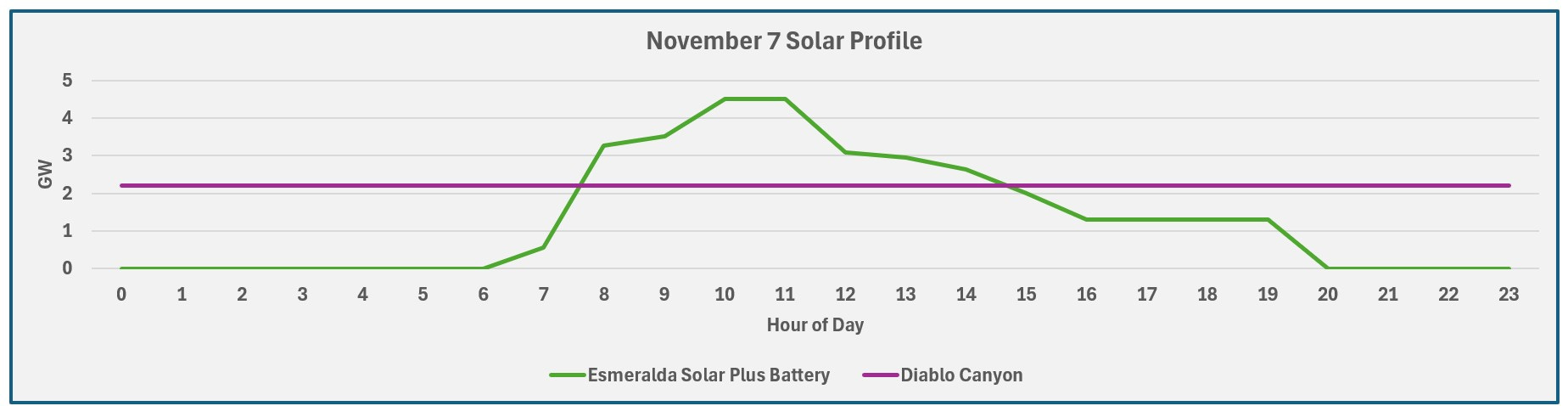
Figure 5 - Esmeralda 7 Solar Plus Battery versus Diablo Canyon Nuclear Facility
Monthly trends (Figure 6) show Diablo Canyon’s consistent 2.2 GW, while Esmeralda peaks in summer and dips in winter, with persistent intermittency.
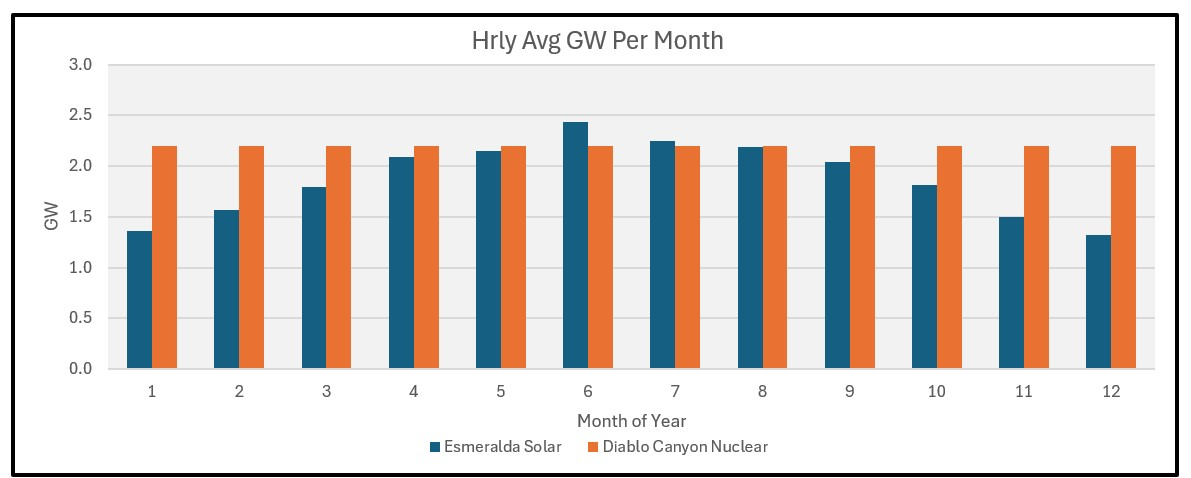
Figure 6 - Generation By the Two Facilities versus the Month of the Year
Background
he Esmeralda 7 Solar Project, planned for 6.2 GW across 62,300 acres in Nevada, aimed to be the largest U.S. solar complex. Proposed by developers like NextEra Energy Resources, it began environmental reviews in July 2024. On October 10, 2025, the BLM canceled its combined environmental impact statement, allowing individual approvals amid shifting energy priorities.
Conclusion
Esmeralda 7’s 6.2 GW capacity is impressive, but its 1.34 GW average output, 11-hour daily backup need, and vast land use pale against Diablo Canyon’s 2.2 GW continuous output and compact footprint. Nuclear’s reliability and energy density make it essential for stable, low-carbon grids, while solar’s scalability requires complementary solutions to address intermittency. This comparison informs energy planning, favoring nuclear for consistent power needs.
Thank you for this comparison, Kerry. It's really an "apples versus oranges" comparison. Diablo Canyon Power Plant (DCPP) supplies the greatest amount of synchronous grid inertia (SGI) of any California Power Plant. See this March 4, 2024 article for details: https://greennuke.substack.com/p/why-is-grid-inertia-important
Diablo Canyon's 2026 cost is projected to be about $21.00 / MWh or about 2.1 cents per kWh. DCPP produces 24-7 reliable baseload power so it does not require expensive storage batteries. The cost of solar plus batteries is shown on page 8 of Lazard's 2025 LCOE+ as between $50 - $131 MWh, clearly far greater than DCPP.
See: https://www.lazard.com/media/5tlbhyla/lazards-lcoeplus-june-2025-_vf.pdf
On the other hand, even this proposed large solar plus battery facility does *not* produce essential SGI. Furthermore, the solar plant produces output that is sun-synchronous with California's massive solar output. Already, California is producing so much solar power that it PAYS adjoining states, including Nevada to take its surplus solar power at mid-day. This proposed plant will just worsen those mid-day gluts.
My summary is that solar and wind produce essentially worthless "junk power." However, the political Left has aggressively promoted solar and wind for purposes that are harmful for the industrialized West, with the leading exhibit being the deindustrialization of Germany. Sadly, the U.K and Spain are not far behind Germany.
Wha is the cost of each per kWh, including batteries?